Vastu for Modern Homes: What Truly Matters
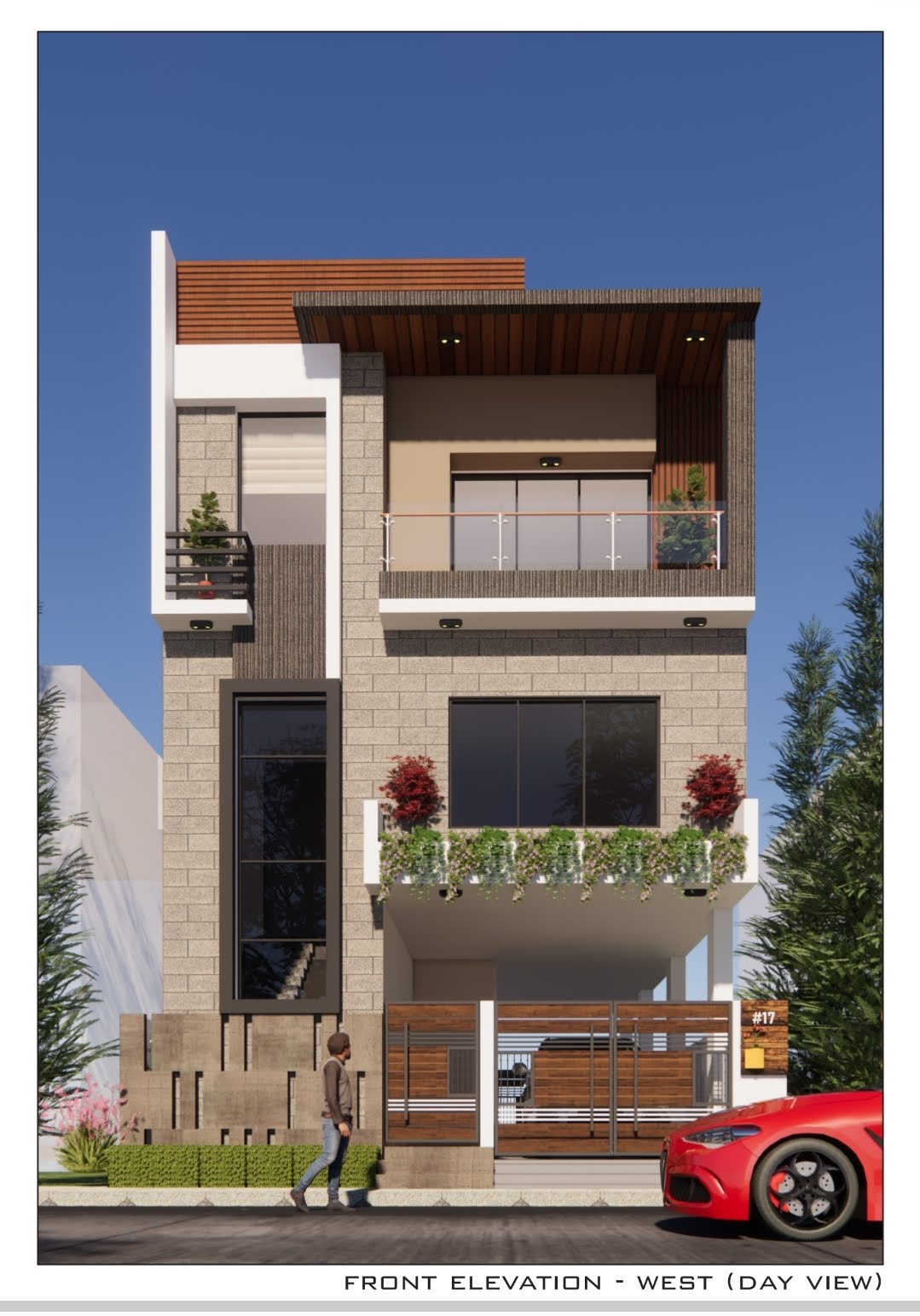
Nine principles worth keeping, six you can skip. From a builder's notebook of seven years and fifty homes.
Why we take Vastu seriously
62% of our clients ask about Vastu. 44% would pay a premium to get it right. We work with a family pandit whenever the client requests — and quietly ignore the parts of Vastu that clash with good architecture.
The nine principles worth honouring
1. Main entrance in the north-east or east — always. 2. Kitchen in the south-east (fire zone) — trivially easy to plan around. 3. Master bedroom in the south-west — heavy, grounded, quiet. 4. Puja room in the north-east — always faces east while praying. 5. Heavier walls to the south + west (sun shielding, thermally sensible). 6. Water source (borewell, overhead tank) in the north-east or north. 7. Toilets never in the north-east or south-west. 8. Stairs clockwise, never blocking the front door. 9. Central courtyard (brahmasthan) kept clear — no beams, no toilets above.
The six principles we quietly negotiate on
1. Beds "must never face south" — sleeps 8 billion people daily, unenforceable and unnecessary. 2. Study desk direction — matters less than good light. 3. TV/mirror placement — cultural preference, not structural. 4. Room shapes must be perfect rectangles — good architecture often uses angles for a reason. 5. Colour restrictions for each direction — pleasant but not load-bearing. 6. The exact time of muhurtham for slab casting — we honour it when it doesn't compromise curing time.
The honest conclusion
Vastu, at its core, is a beautiful record of Indian domestic wisdom — where the sun rises, where the winds come from, where fire belongs. Follow it where it makes sense, override it where it doesn't, and don't be afraid of either. Your home should feel right long after the pandit has left.